Nihonbashi Completion Begins a Phased Commercial Opening
Tokyo Midtown Nihonbashi is complete, with commercial opening planned in stages through 2027. The distinction matters to hotel demand and surrounding businesses.

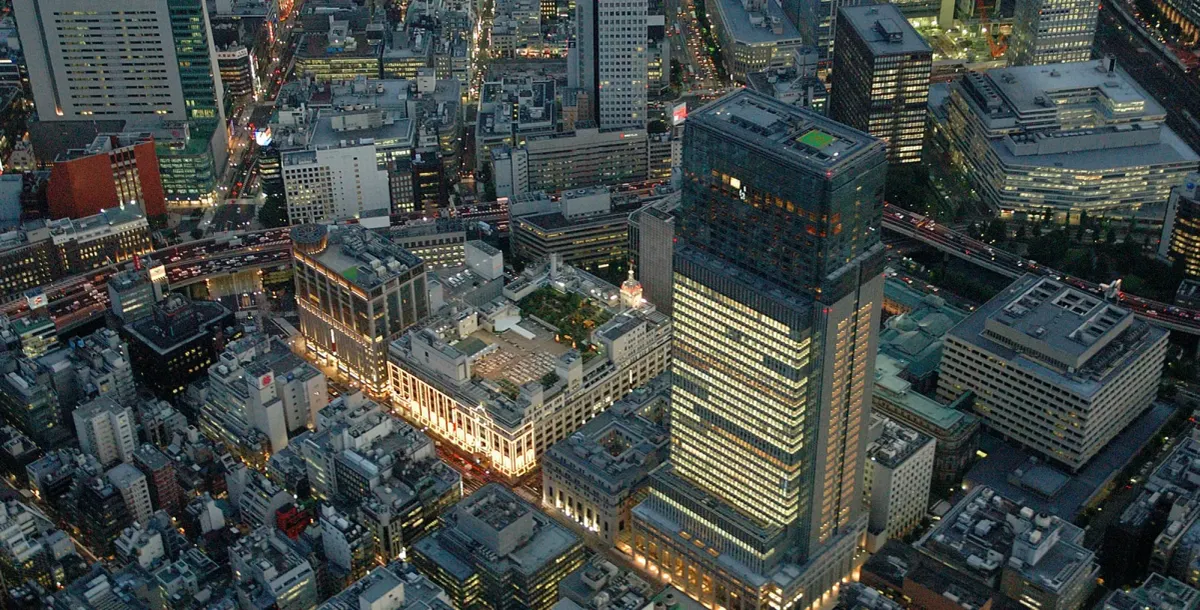
Tokyo Midtown Nihonbashi has reached construction completion, but its commercial life will begin in stages. Mitsui Fudosan and Nomura Real Estate announced on 8 October that the redevelopment was completed on 30 September, with the grand opening planned during 2027. That gap is central to understanding when the project may begin influencing neighbouring businesses and accommodation demand.
The scheme combines offices, retail, hotel accommodation, rental residences and meetings facilities. Announced office occupiers include Nomura Holdings, Daiichi Sankyo and Bank of America’s Japanese operation. The tower’s hospitality component includes a planned 197-room Waldorf Astoria hotel and 71 branded rental residences. Rental residences and hotel rooms serve different markets and should remain separate when assessing overnight visitor capacity.
The programme also involves an interruption to existing trading. COREDO Nihonbashi is scheduled to close on 15 October for refurbishment, ahead of reopening within the enlarged commercial zone during 2027. The meetings and events facilities are scheduled for October 2027. The development’s September completion date should therefore not be used as a shorthand for all shops, rooms and event spaces being available to customers.
Understand the market in Japan.
Follow our coverage of Japan and global mountain destinations, then explore Uchi Insights Premium for detailed property data and market reports on Japan’s resort markets.
Your free article continues below.
For surrounding property owners, phased occupation creates a sequence of opportunities. Office workers may support weekday food and service businesses, while conferences can generate concentrated demand for accommodation and evening spending. Those customers arrive on different schedules. A hotel budgeting for event business needs confirmed dates, organiser relationships and room requirements rather than the total capacity of a future venue.
The mixture of uses can also change the rhythm of a district. A residential component brings daily needs, offices support working hours, and hospitality extends activity into evenings and weekends. Whether those uses reinforce one another will depend on access and operations as well as architectural design. A successful connection between buildings should make the district easier to use for somebody who is unfamiliar with it.
During the transition, neighbouring operators need a practical account of what is open. Walking routes, entrances and the availability of familiar shops can change as refurbishment continues. Accurate guest information can protect the experience before the larger destination proposition is fully established. It also prevents a marketing campaign from promising facilities that remain a year away.
The completion is an important reduction in one part of development risk, with physical delivery now further advanced. Leasing, fit-out and operating performance remain distinct questions. The next useful milestones are occupier arrivals, confirmed opening programmes and evidence of demand for the new services. Those will give owners a firmer basis for assessing how the project changes the surrounding market, without assuming that a completed structure immediately produces stabilised income.