Thredbo’s Summer Programme Builds Around Different Types of Rider
Thredbo’s summer plans target both intermediate progression and demanding downhill riding. Accommodation businesses need to distinguish the guests and dates each product serves.

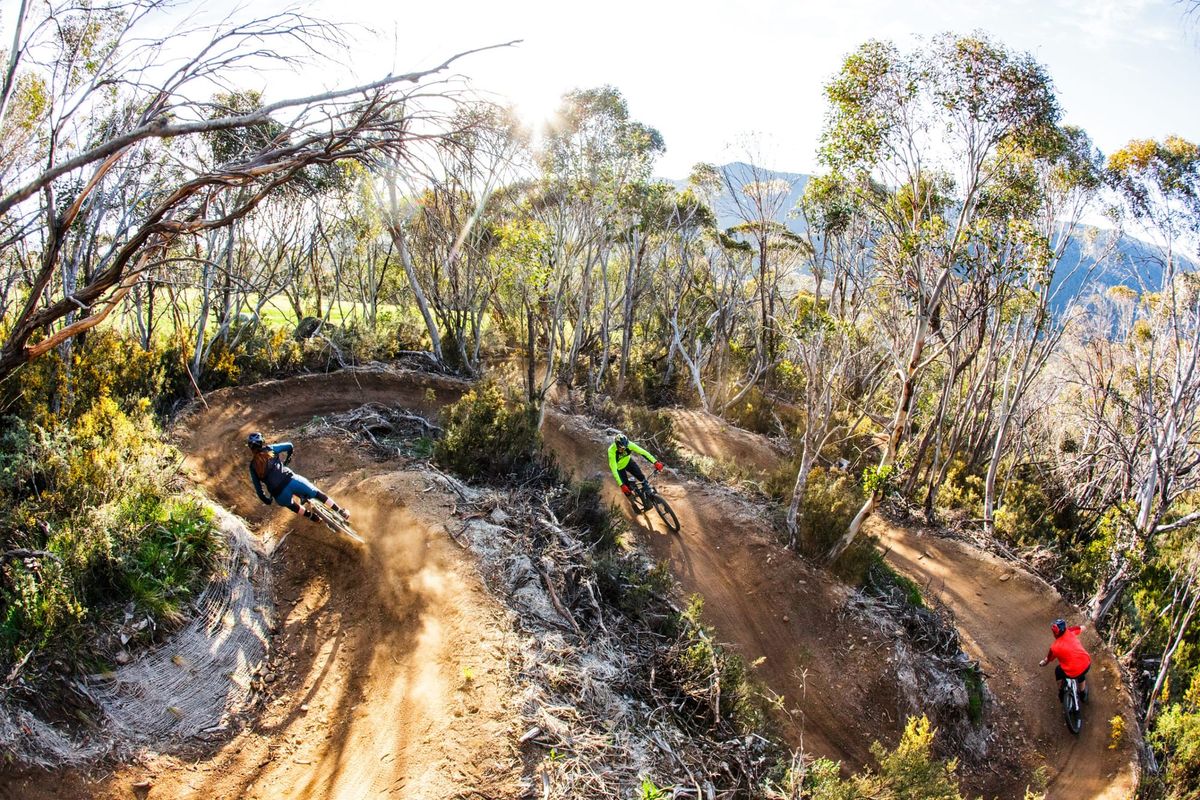
Thredbo’s published summer programme shows how a mountain destination can build a broader business around the progression of its guests. Its 2026/27 offer combines existing lift-accessed riding with a planned intermediate jump trail and a more demanding downhill addition. For accommodation owners, the commercial interest lies in the different trips those products may support across the summer calendar.
The resort’s Gravity Pass page lists mountain-bike park access from 21 November 2026 to 26 April 2027. It targets November for the intermediate trail, connecting the Cruiser area with the Merritts Gondola mid-station, and early 2027 for the new downhill trail. These are announced opening targets. The broader pass also includes other resort benefits whose availability and operating periods differ from the bike park’s dates.
The intermediate addition addresses a particular stage in a rider’s development. A destination that helps guests move beyond their first experience may have more reasons to attract them back, especially if instruction, hire and suitable terrain are easy to combine. The presence of a new trail does not establish repeat demand, but it makes the intended customer pathway more visible.
The downhill project serves a different purpose, with the resort describing demanding terrain and sections designed for elite competition. Accommodation businesses should distinguish that market from a general family activity holiday. Equipment storage, workshop access and the timing of events may matter to serious riders, while other guests may place greater value on a mix of accessible activities and downtime.
Understand the market around the mountain.
Follow our coverage of Japan and global mountain destinations, then explore Uchi Insights Premium for detailed property data and market reports on Japan’s resort markets.
Your free article continues below.
The summer calendar needs the same attention as the product mix. Event weekends can concentrate demand, yet a property’s operating year also includes quieter weekdays and intervals between competitions. A budget based only on the busiest dates will say little about the cost of remaining open throughout the programme. Managers should separate booked event business from assumptions about ordinary leisure stays.
Shared infrastructure can help a mountain serve several seasons, although using lifts and facilities for longer also creates maintenance and staffing requirements. Summer revenue should be assessed after the incremental costs of earning it. The useful question is whether the additional trading supports the property’s annual obligations and reinvestment, with a clear account of any periods when facilities are unavailable.
Thredbo’s plans provide a specific summer proposition to follow as winter operations give way to a different customer mix. Owners can prepare by checking which guests their accommodation suits, how it connects to the activity base and what services those visitors need. The evidence of success will come from delivered facilities and actual stays across the season. Announced additions give businesses something to plan around, while opening dates, bookings and operating margins will determine the result.