The Cheap-Yen Property Window May Not Stay Open
The yen’s recent rebound has already made Japanese property more expensive for overseas buyers, offering a timely reminder that exchange-rate discounts can disappear much faster than property prices change.

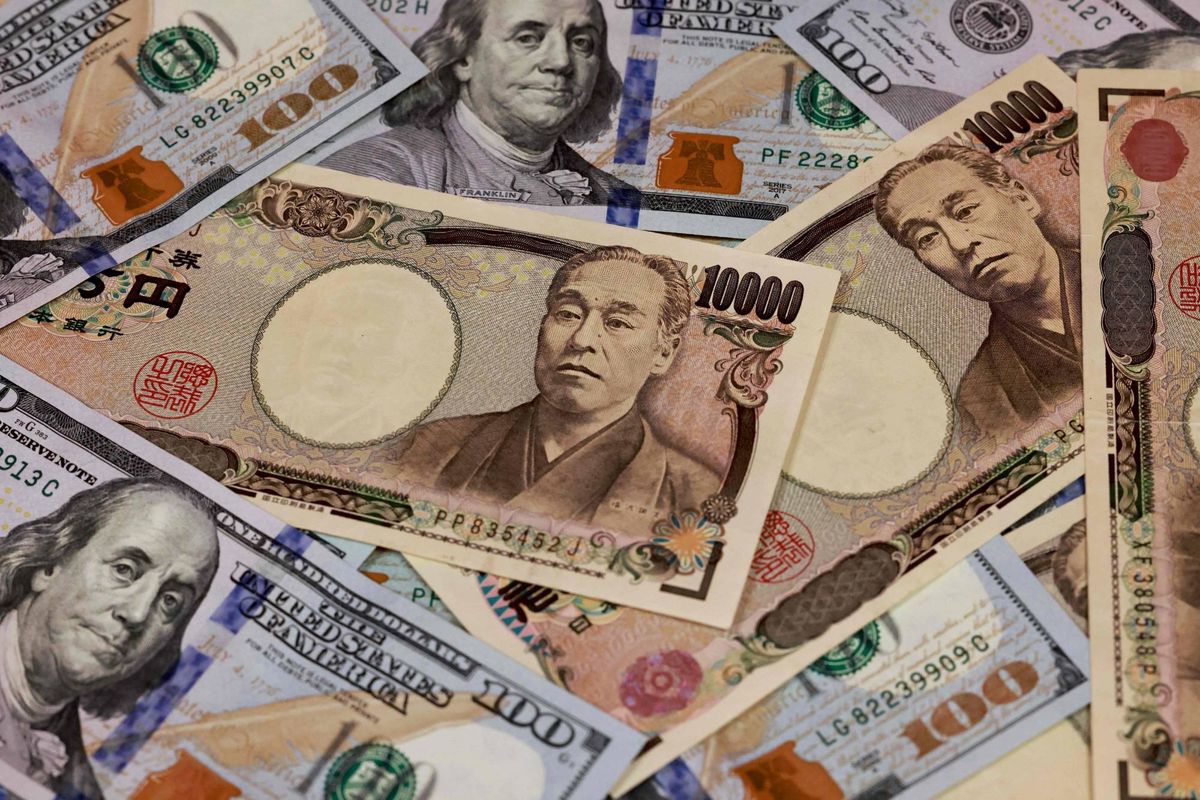
The asking price of a Japanese property can remain unchanged while its cost to an overseas buyer moves sharply.
At the yen’s July low of ¥163.99 to the US dollar, a ¥100 million property cost approximately US$610,000. At ¥155.20, following the recent joint intervention by Japan and the United States, the same property cost roughly US$644,000. That is an increase of around US$34,000, or 5.7%, without the seller changing the price at all.
This is the clearest way to understand the yen’s recent rebound. For international buyers, the exchange rate is not merely background noise. It forms part of the effective purchase price.
A Stronger Warning To Currency Traders
The yen strengthened after Japan and the United States confirmed that they had jointly intervened to buy the currency, the first coordinated action of its kind in 15 years.
The move pushed the yen away from the 40-year low reached in July and forced some traders to unwind large positions betting on further weakness. Washington’s involvement also sent a stronger signal than Japan’s previous solo interventions, raising the possibility of further action if the currency falls too quickly again.
That does not mean the yen will continue strengthening. Previous interventions have often produced a sharp recovery before the underlying trend reasserted itself.
The lasting direction will depend less on one round of currency buying and more on interest rates. The wide gap between Japanese and US yields has been one of the main reasons investors have continued betting against the yen. Analysts therefore argue that more decisive Bank of Japan tightening may be needed if the authorities want to support the currency over a longer period.
For property buyers, however, the immediate message is straightforward: the unusually cheap exchange rates available in July have already become less favourable.
The Discount Was Real, But Never Guaranteed
The weak yen has helped make Japanese property look relatively affordable to overseas buyers, even as local asking prices and construction costs have increased.
A home priced in yen may rise in value within Japan while still appearing inexpensive in dollars, pounds, Singapore dollars or Australian dollars. That currency effect has softened the impact of higher Japanese prices for many international purchasers. But it was never a permanent discount.
A ¥100 million property costs about:
- US$588,000 at ¥170 to the dollar
- US$625,000 at ¥160
- US$667,000 at ¥150
The difference between ¥170 and ¥150 is almost US$79,000, despite the Japanese asking price remaining exactly the same. On a ¥500 million resort residence or development site, the difference approaches US$400,000.
The point is not that buyers should rush because the yen is certain to strengthen further. It may not. The currency could remain around current levels, recover further or weaken again if the underlying interest-rate gap remains wide.
The point is that buyers should not assume today’s exchange-rate advantage will still be available when they are ready to complete.
Currency Risk Continues After The Offer
Many property purchases are not settled in a single payment. A buyer may pay a deposit when signing, make staged payments during construction and settle the balance months or years later. Renovations, furniture, taxes and management costs may also be paid at different points.
That means a buyer can agree the yen price without knowing the final cost in their home currency. This is particularly relevant for off-plan resort developments and major renovation projects. If the yen strengthens between contract and completion, later payments become more expensive for the overseas buyer even when the project remains within its original yen budget.
The effect works in reverse for foreign owners selling Japanese property. A stronger yen can increase the overseas-currency value of the sale proceeds, even when the Japanese selling price has not changed.
For developers, the picture is mixed. Yen appreciation can make internationally marketed properties more expensive to foreign buyers, but it may also reduce the cost of imported materials, fixtures and professional services.
A Range Is More Useful Than A Forecast
No one can know with confidence whether the yen will move towards ¥150, return to ¥164 or remain close to its present level.
The recent intervention has changed the near-term risk, but it has not resolved the underlying debate. The outcome will still be shaped by Bank of Japan policy, US interest rates, oil prices and wider investor sentiment.
For property buyers, trying to predict the exact exchange rate is less useful than testing whether the purchase still works across several possible outcomes.
A buyer considering a ¥100 million property should understand its cost at ¥150, ¥160 and ¥170 to the dollar. The same exercise should be applied to deposits, future construction payments, annual running costs and expected sale proceeds.
The property itself should also make sense independently of the currency. A weak yen can make an overpriced or unsuitable asset appear cheaper than it really is. A stronger yen can make a good property feel more expensive without changing its location, quality or long-term demand.
The cheap-yen opportunity has not necessarily disappeared, indeed it may even return. But the recent rebound is a useful reminder that it should never be treated as permanent. Currency can alter the effective price of Japanese property far faster than the real estate market itself—and buyers should plan accordingly.