Sun Valley Is Treating Its Night Sky as Part of the Resort Experience
Sun Valley is pairing new lift infrastructure with a programme to protect its night sky. The combination raises a useful question for mountain destinations: how can the landscape after dark become part of the visitor experience?

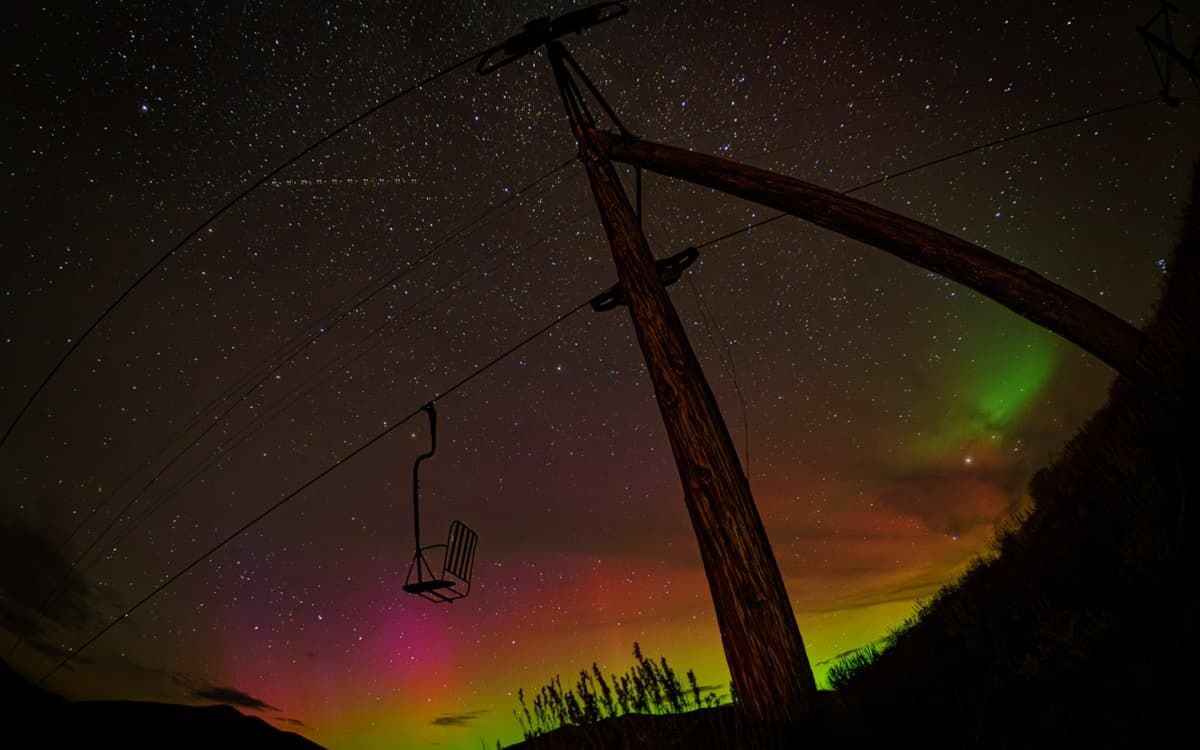
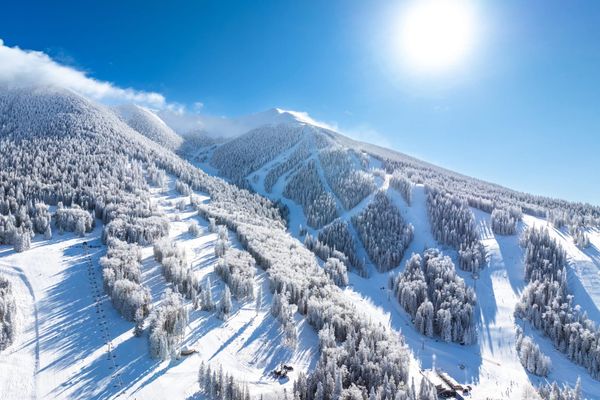
Sun Valley’s winter announcement on 16 September combines familiar mountain investment with a less conventional visitor attraction. Alongside two replacement chairlifts scheduled to open in December, the Idaho resort is promoting the DarkSky certification it received in July. The combination offers an interesting perspective on destination development: improving the machinery that moves people around a mountain while protecting an environmental quality that guests can experience after the skiing day ends.
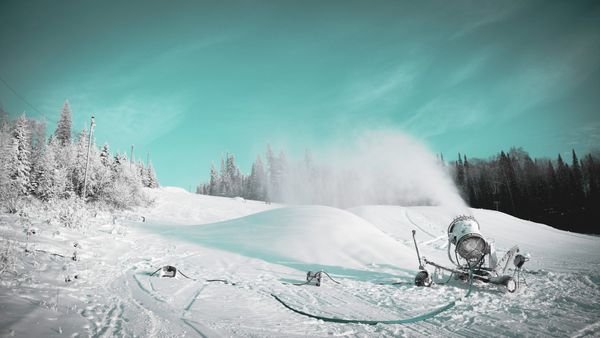
The lift programme is substantial in practical terms. Lookout Express is being replaced with a high-speed six-seat chair, while Christmas is becoming a high-speed detachable quad. The operator expects better capacity and reliability, with additional snowmaking-system work also planned. Those are improvements to the core winter product, while the night-sky initiative adds a different dimension to how Sun Valley presents the setting in which visitors stay.
Better property decisions start with better data.
Explore the trends shaping mountain property and resort development worldwide, alongside detailed pricing, supply and sales analysis from Japan’s leading resort markets.
US$200 gives you 12 months of access to the complete Uchi Insights Premium archive, plus every new Premium report and article published during your membership.
Your free article continues below.
DarkSky International’s own listing confirms the resort’s certification under its Approved Lodging & Resorts programme and describes its position at the edge of the Central Idaho Dark Sky Reserve. The organisation also identifies guided stargazing, astronomy events and educational activities as part of the resort’s developing offer. The resort certification and the surrounding reserve are distinct designations; neither should be presented as a new restriction covering every property in the wider destination.
The certification has an operational basis. The programme’s published criteria cover lighting management, habitat considerations, visitor education, annual reporting and periodic recertification. They also allow an existing property’s lighting to be upgraded progressively: at least 67% of the inventory must comply with its lighting-management plan when applying, rising to 80% within two years and full compliance within five. Certification therefore signals participation in a defined programme, rather than a claim that every light has already been replaced.
For hotel and residential developers, the interesting question is how to make the surrounding landscape part of the accommodation experience without diminishing it. Views are commonly discussed during daylight hours; darkness, glare and the ability to see the stars deserve consideration in the evening. Lighting decisions made for entrances, balconies, paths and communal areas can affect the atmosphere guests encounter beyond their own room or terrace.
There is no published evidence here that the certification has lifted room rates, occupancy or residential values, and the commercial argument should remain a hypothesis to test. It could give visitors another reason to spend an evening in the destination and help an operator communicate a distinctive sense of place. Sun Valley’s example is useful because it connects that possibility with documented operating commitments, while continuing to invest in the lifts and systems on which its winter business depends.
Sources
- Sun Valley — New chairlifts, expanded terrain and DarkSky designation for 2026–2027 — 16 September 2026
- DarkSky International — Sun Valley Resort certification — 13 July 2026
- DarkSky International — Approved Resort guidelines — Updated 13 July 2026