Rakuten Stay Adds a Small Group Accommodation Option in Niseko
Rakuten STAY’s new Niseko property targets families and groups with approximately 54-square-metre rooms and practical equipment facilities.

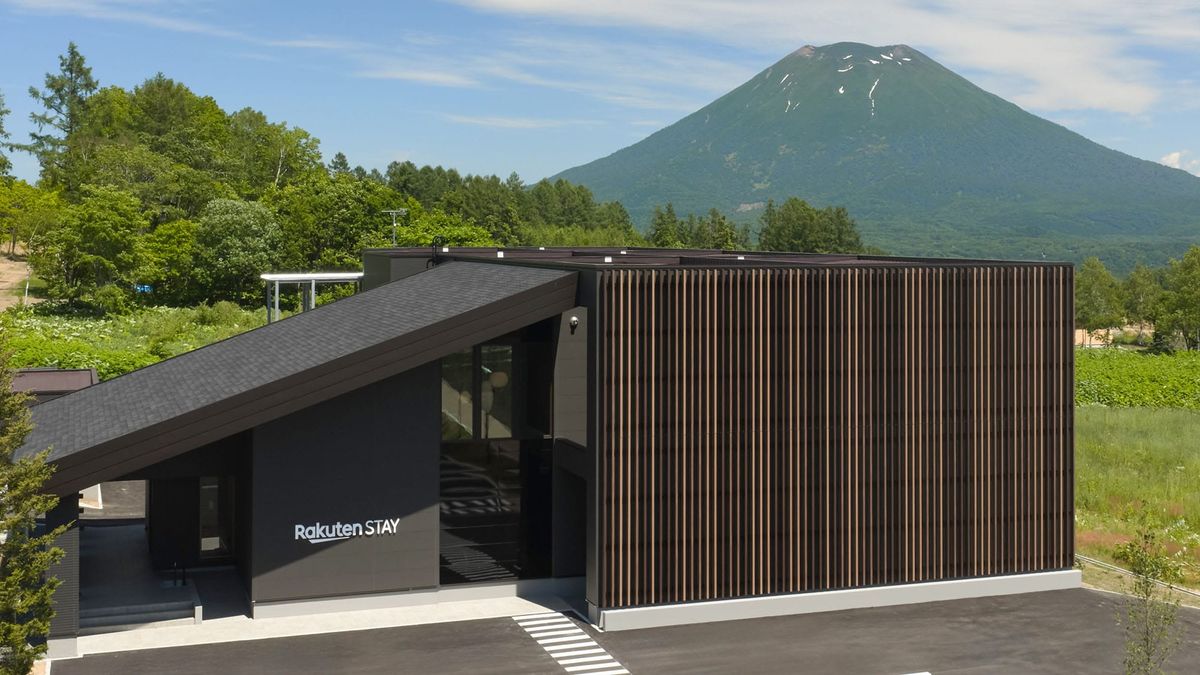
Japan’s Niseko accommodation market has gained a small new property designed around families and groups, with Rakuten Stay Niseko opening on 15 October. The 12-room development in Niseko Town, Hokkaido, offers a useful example of how a limited room count can still address a distinct part of the resort market.
Each room is approximately 54 square metres and can accommodate up to six people. Two rooms even allow pets. The two-storey building uses the company’s timber-panel construction system, with equipment storage at room entrances and a shared drying room. The nearest ski area, Niseko Annupuri International, is approximately three minutes away by car.
These details are more useful than treating the opening as another undifferentiated addition to “Niseko”. The wider destination contains different settlements and access patterns. A car journey from accommodation to a ski area creates a different guest experience from walking to a lift, even when both properties use the same regional name in their marketing.
For a family or group, usable space can influence the accommodation decision as much as room count. Equipment must be stored somewhere, wet clothing needs drying, and guests may spend substantial time indoors. A layout that handles those activities well can reduce friction throughout a stay. The operational value lies in whether the space works when the property is fully occupied, rather than in the floor-area figure by itself.
Maximum capacity should also be distinguished from the occupancy a business expects to achieve. Six guests in a room is a permitted product configuration, not evidence that every booking will contain six people. Revenue forecasts need the actual rate structure and party-size mix, including whether smaller groups find the room attractive at the offered price.
The opening is relevant to existing owners because it adds another clearly specified accommodation choice. Competing simply on the label “family friendly” becomes harder when guests can compare storage, drying facilities, room layouts and access. Independent properties can respond by explaining those practical features more precisely, rather than assuming that a famous destination name will do the work.
It would be premature to infer an effect on local property prices or rental yields from a 12-room opening. The announcement from builder Misawa Homes does not disclose target occupancy, room revenue, operating costs or an investment return. Those omissions leave the financial performance untested, while the physical product is now real rather than a development proposal.
For prospective guests and accommodation operators, the next useful evidence will come from how the property trades across different party sizes and seasons. For the broader market, the opening reinforces a practical point: Niseko’s accommodation offer is becoming more differentiated, and the details of a building and its location deserve as much attention as its branding.
Follow the mountains beyond the snowfall. Unlock the Premium Analysis archive, with new premium articles delivered straight to your inbox.
Join for US$80 a year–roughly a coffee a month to keep yourself informed.