Otago’s Regional Deal Moves the Growth Debate Towards Delivery
Otago Central Lakes has signed a Regional Deal. Its property implications depend on the implementation plan, funding responsibilities and infrastructure sequencing.

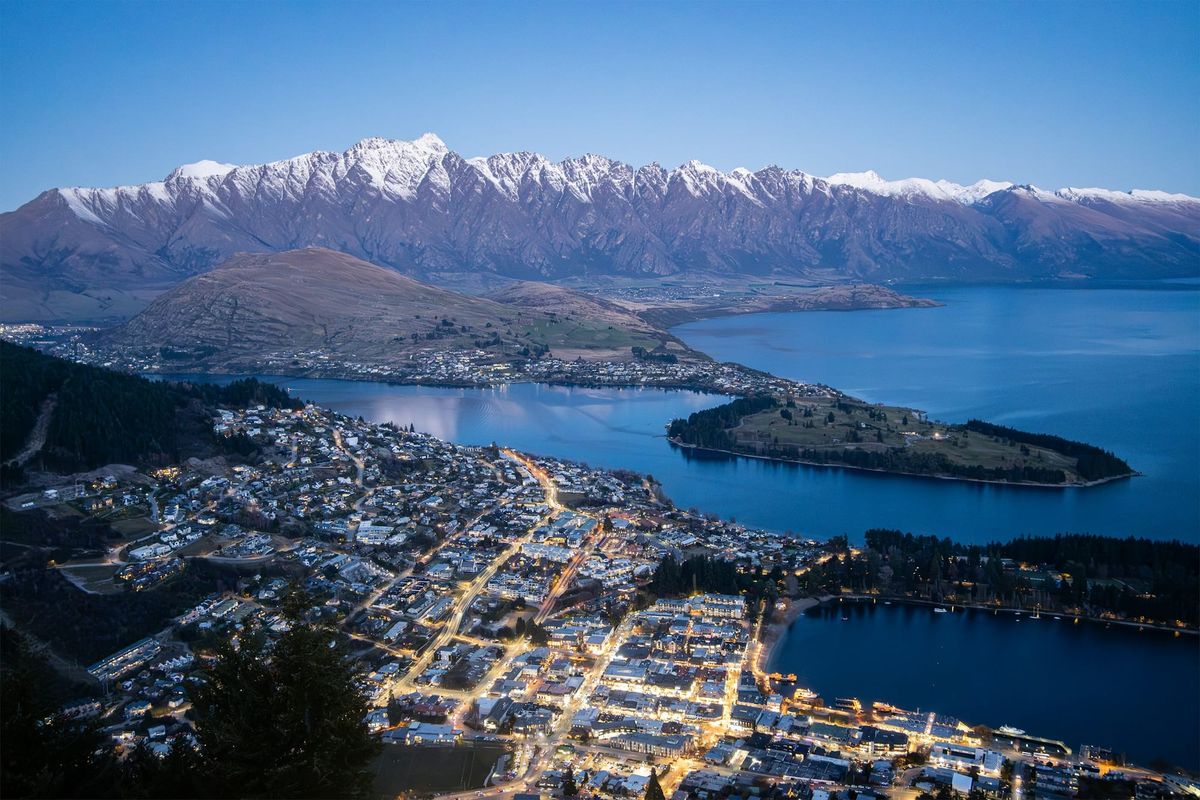
New Zealand's Otago Central Lakes has a signed agreement for closer coordination between central and local government. The next test is whether it produces a sequence of funded, deliverable projects that makes growth more manageable for residents and businesses. For a region where tourism, housing and infrastructure compete for capacity, that distinction matters to property development as much as the headline agreement.
The New Zealand Government and the Queenstown Lakes, Central Otago and Otago regional councils signed their Regional Deal on 6 October 2026. The council announcement describes a partnership extending across a 30-year planning horizon, with priorities spanning infrastructure funding, housing, transport, health, energy, talent and economic development.
An implementation plan is due within six months, while ministers and local leaders are expected to meet every six months to review progress. Those are useful accountability mechanisms. They are not confirmation that every road, housing scheme or utility improvement discussed under the agreement has secured finance, consent or a construction date.
For accommodation and residential developers, sequencing is the practical issue. A site can have a plausible market and still face a difficult delivery timetable if transport, water services or electricity capacity arrive later than the buildings that need them. Coordinating decisions can reduce that mismatch, but a broad partnership cannot remove the need to assess each project’s dependencies.
The agreement also creates a better framework for discussing who pays. Visitor-facing development may generate commercial income while adding demand to infrastructure used by permanent residents. A durable funding arrangement needs to identify the beneficiaries, the costs they create and the revenue available to meet those costs. Simply assuming that future growth will fund present commitments leaves too much unresolved.
Understand the market around the mountain.
Follow our coverage of Japan and global mountain destinations, then explore Uchi Insights Premium for detailed property data and market reports on Japan’s resort markets.
Your free article continues below.
Housing belongs in the same discussion. A hotel’s operating plan depends on people being able to live within a workable journey of their jobs. Additional visitor capacity without an adequate workforce and transport response can place pressure on service quality and recruitment. The relevant measure is therefore the functioning destination, rather than a tally of approved accommodation rooms.
The most informative next publication will be the implementation plan: named actions, responsible agencies, funding routes and milestones that can be checked. Developers can then distinguish projects with a credible delivery path from ambitions that remain dependent on later decisions.
For now, the Regional Deal is a meaningful governance step. Its commercial value will emerge through implementation, not through a general assumption that Queenstown or Central Otago property values must rise. Owners should follow the specific infrastructure serving their assets and the commitments that turn regional coordination into usable capacity.