The Green Season Race: How Sport Is Turning Japan’s Ski Resorts Into Year-Round Destinations
From world championship cycling in Niseko to international trail running in Myoko, Japan’s mountain resorts are increasingly using sport to turn winter infrastructure into year-round destination assets.


Japan’s mountain resorts invest heavily in infrastructure designed around a winter that, even in the best locations, occupies only part of the year. The more interesting long-term question is therefore what happens to those mountains, hotels, roads and lifts once the snow disappears. Sport, both competitive and casual, is becoming one of the answers.
Niseko has just hosted the UCI Gran Fondo World Championships from 26 to 30 August, bringing the event to Asia for the first time. Riders competed across 140km and 80km road races, an individual time trial and a team relay, while a non-competitive Discovery Cycling event was designed to introduce participants to the wider region, its food and landscape. The organisers also packaged accommodation, transport and sports services around the championships, turning the race into a broader destination experience rather than simply several days of competition.
For a resort still overwhelmingly associated internationally with powder snow, that is meaningful. A world championship puts green fields, mountain roads and summer Niseko in front of an audience that may have little interest in visiting during winter, while demonstrating that the same destination can credibly participate in another global sporting culture.
Global Events Can Become Destination Marketing
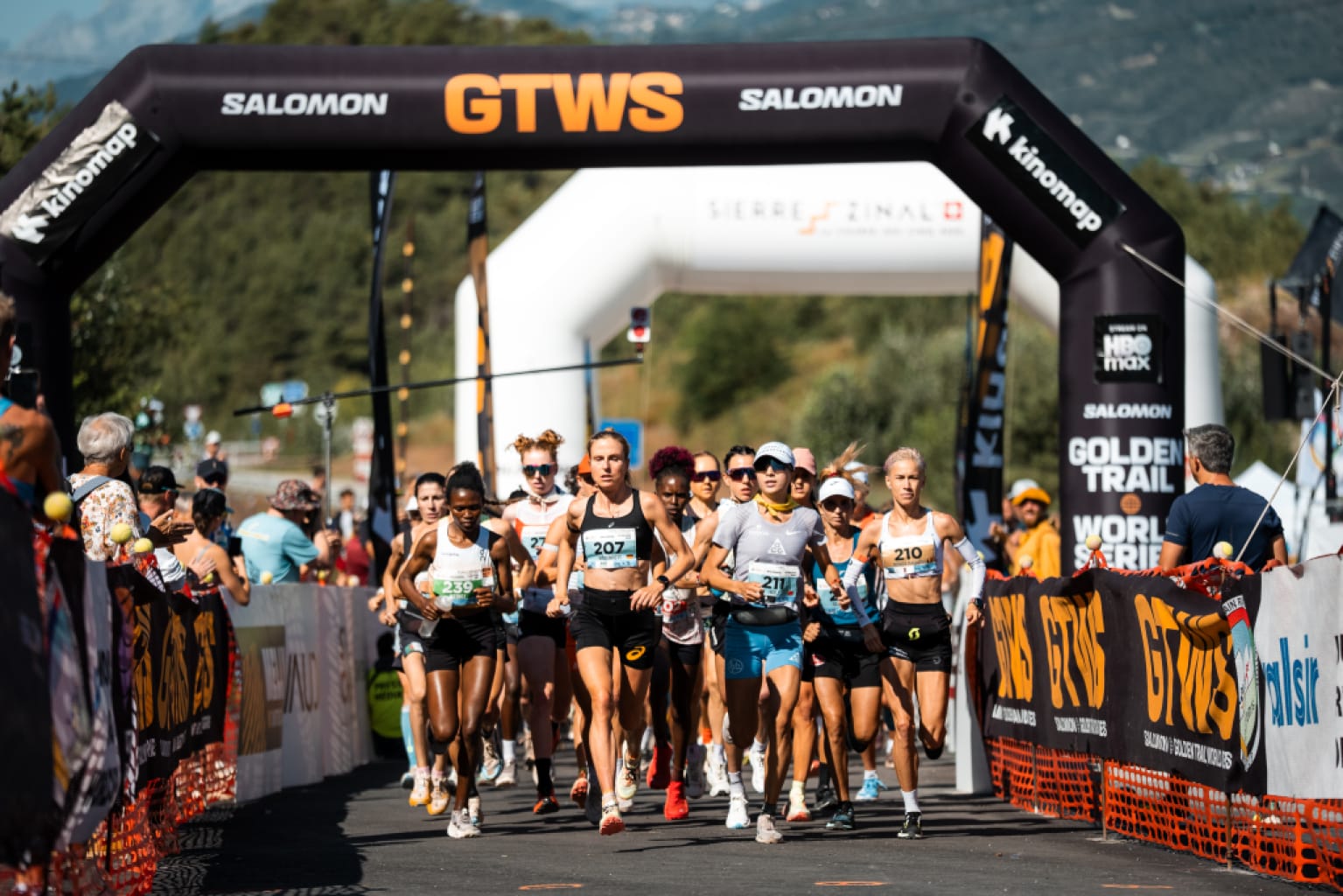
Myoko is about to attempt something similar through trail running. On 20 September, Myoko Suginohara will host a round of the Golden Trail World Series, placing the resort on an international calendar alongside established mountain-running destinations around the world.
The current elite course covers 24.7km with more than 2,000 metres of climbing, beginning at Suginohara before taking runners into the Myoko range and across towards neighbouring Ikenotaira. Public races over 11km and 5km take place alongside the main event, allowing the weekend to extend beyond the relatively small field of elite competitors.
The significance of an event like this is not simply the number of hotel rooms occupied during one weekend. International competition produces imagery, media coverage and athlete advocacy that can reposition a destination in the minds of people who had previously known it only for skiing, or perhaps not at all.
This is especially valuable for Myoko, where much of the current investment story involves turning an established Japanese winter destination into a more internationally recognised year-round resort. A global trail-running event does some of that destination marketing without requiring another hotel or real-estate development.
Mass Participation Has A Different Economic Value
Other events matter because of scale rather than international broadcast reach. The Karuizawa Half Marathon attracted enough demand to fill its 5,500-runner capacity this year, with another 500 places available for the family event. The start and finish take place at Karuizawa Prince Hotel Ski Resort, meaning an asset associated with winter becomes the centre of a major spring running event within walking distance of the railway station.
At Lake Toya, the ANA Toyako Marathon accommodates as many as 4,500 runners in the full marathon alone, alongside shorter races. Entrants also receive access to local onsen, creating an obvious connection between participation and the surrounding tourism economy rather than treating the race as an isolated sporting activity.
Trail running provides another particularly effective model because participants tend to travel specifically for the terrain. The Shinetsu Five Mountains Trail Running Race starts from Madarao Kogen and crosses a much wider region encompassing Myoko and several Nagano municipalities. Its 100-mile race has capacity for 600 runners and the 110km event another 700, creating a 1,300-person field before supporters, volunteers and accompanying family members are considered. Some entry categories explicitly require accommodation, while other places are linked to furusato nozei contributions supporting the municipalities through which the race passes.
The attraction for resort economies is straightforward. Several thousand people arriving for a race generally do not arrive at the start line that morning and leave immediately afterwards. They need accommodation, meals, transport, equipment and often an additional night before or after the event. In a quieter green-season period, a successful race weekend can therefore create concentrated demand across businesses that otherwise depend heavily on winter.
Using The Mountain Rather Than Leaving It Idle
Hakuba offers perhaps the clearest example of sport becoming part of a broader summer mountain culture.
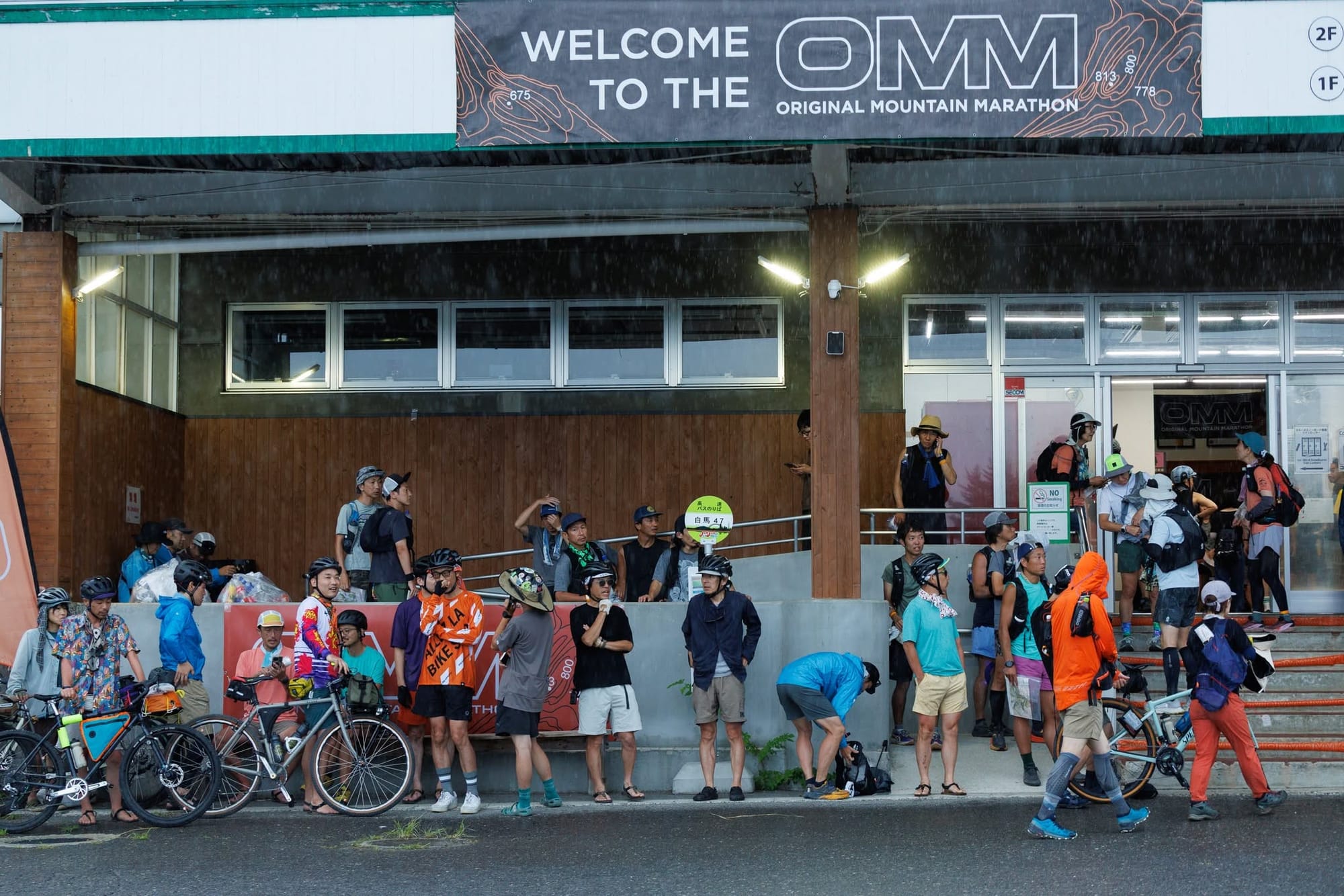
OMM Lite/Bike Hakuba attracted a capacity of 1,500 participants this July for a two-day navigation event built around running, hiking and cycling. The event centre moved to Hakuba47, while participants could camp on site or use local hotels and pensions. Catering, a bar, live music and a pre-event festival were incorporated into the programme, deliberately turning the race into a weekend rather than a few hours of competition.
Hakuba also hosts the Hakuba International Classic, with trail courses from 12km to 50km plus a family category, while Iwatake uses its mountain terrain for a JCF-sanctioned national downhill mountain-bike series. In this case, the investment logic is particularly easy to see: lifts and mountain infrastructure built primarily for skiers can support a completely different user group once winter finishes.
Nozawa Onsen is taking a similar approach through its Bicycle Festival, combining a 13km hill climb with adventure downhill and gravel touring across an October weekend. Niseko Gravel takes cycling further again, offering 50km, 100km and 120km courses with capacity for 600 riders across the three principal distances, together with a welcome event and additional ride session.
Rusutsu and the wider Yotei region show the potential for multi-sport rather than one discipline. The Hokkaido Outdoor Festival includes trail running and other mountain events, while the Hokkaido Triathlon uses Lake Toya for the swim before sending competitors through the Yotei foothills, including Rusutsu, Makkari, Kimobetsu and Kyogoku. The longest triathlon format covers 162km, effectively turning a large part of the region into the sporting venue.
Furano has taken a less competitive but still relevant approach through the Great Earth Furano Ride, with long and short cycling routes extending through Furano, Kamifurano and Biei. It may not yet have the scale or international sporting profile of Niseko’s UCI event or Myoko’s Golden Trail race, but the ingredients are similar: landscape, roads, accommodation and an activity that gives people a reason to experience the destination when there is no snow.
Different Resorts Are Developing Different Strengths
What is emerging is not one model of summer resort sport, but several different styles across multiple different sports. Niseko currently has the strongest claim to international cycling, particularly after hosting the UCI Gran Fondo World Championships and developing events such as Niseko Gravel around it. On top of that the resorts are finally combining mountain bike flow trails around the base of the Niseko United mountain with help from local volunteers and sponsors. Myoko now has an unusually powerful international trail-running platform, while the Shinetsu Five Mountains race connects Myoko and Madarao to one of Japan’s most established ultra-running events.
Hakuba arguably has the broadest mountain-sports ecosystem, combining trail running, navigation, cycling and downhill MTB with an increasingly developed summer mountain product. Karuizawa demonstrates the value of mass domestic participation, Lake Toya combines marathon and multisport demand, while Nozawa and Rusutsu are finding ways to repurpose their winter terrain through cycling and outdoor festivals.
The interesting competition between these destinations may therefore be less about which has the single biggest summer event and more about which can build a calendar with enough depth to change visitor behaviour.
A world championship held once creates enormous exposure. An annual programme of cycling, running, mountain biking and multisport events can gradually make May, June, July, September and October normal months in which to visit a mountain resort.
The Property Connection Is Indirect, But Important
None of this means that hosting a trail race causes property prices to rise, and attempts to draw that connection too directly would be difficult to justify.
The real-estate relevance sits in the wider resort economy. More green-season visitors improve the potential annual utilisation of hotels and rental properties, create more reasons for restaurants and shops to remain open, support year-round employment and make existing infrastructure productive for a larger part of the year.
That can gradually alter the economics of owning property too. A second home that is genuinely useful for cycling, hiking and events throughout summer offers a different proposition from one effectively used for ten winter weekends. Managed accommodation capable of earning revenue across two or three seasons is similarly different from an asset whose entire operating model depends on snow.
Perhaps more importantly, sporting events create relationships with destinations. Someone may first visit Niseko for a cycling championship, Hakuba for OMM or Madarao for a 100-mile race without having considered owning property there. They leave knowing the roads, restaurants, landscape and neighbouring towns in a way that an advertising campaign struggles to reproduce.
Not every participant becomes a property buyer, nor does that need to happen for the strategy to work. A stronger year-round economy improves the destination itself, and property ultimately derives much of its value from the quality and depth of the place surrounding it.
The Real Green-Season Race
Japan’s leading ski resorts have spent much of the past decade trying to reduce their dependence on winter. Golf, hiking, mountain biking, restaurants and family attractions have all played a role, but organised sport brings an additional advantage because it gives people a specific date and reason to travel.
The strongest events can fill rooms today while marketing the destination for tomorrow. Niseko’s world championship cycling, Myoko’s arrival on the Golden Trail World Series and Hakuba’s increasingly broad outdoor calendar suggest that green-season sport is moving from a peripheral resort activity towards something more strategic.
The next competition between Japan’s mountain destinations may therefore take place long after the snow melts. The winner will not necessarily be the resort with the biggest single race, but the one that succeeds in turning its mountain, infrastructure and community into something people want to use twelve months of the year.
Enjoyed this free article? Uchi Insights provides the latest market news from across Japan.
But if you want the latest data, you can access premium Uchi Insights reports covering pricing, sales, supply and market trends across Japan’s leading resort real estate destinations
Everything is available to Uchi Insights Premium subscribers, together with our complete archive of reports and analysis across Japan’s leading resort markets.
Twelve months of Premium access costs US$200—roughly the price of a good pair of gloves for that Japanese powder snow.
If you are buying, selling, investing or simply trying to understand where Japan’s resort property markets are moving, make sure you have the same data and analysis at your fingertips.
Don’t be the one wondering what everyone else knows.