Hinode Hills Adds Hilton Distribution to Niseko’s Residence Market
Hinode Hills’ Hilton conversion changes how existing Niseko accommodation is sold. The commercial test is the customers and stays it brings.

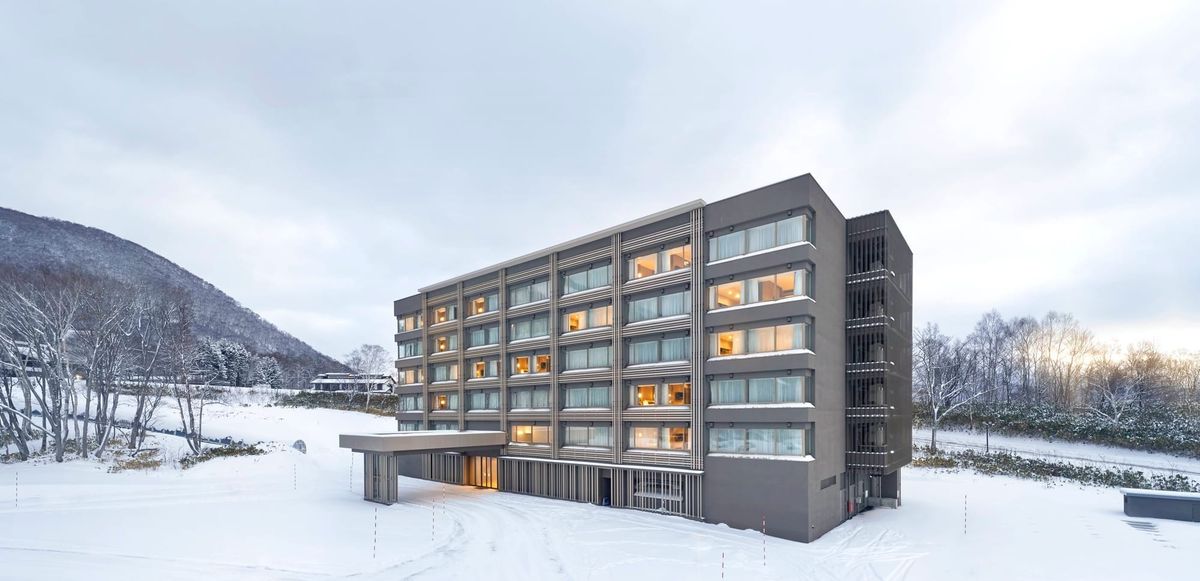
Japan’s Niseko accommodation market has gained another international hotel affiliation, with Hinode Hills joining Curio Collection by Hilton. The change concerns an existing residence-style property in Hokkaido’s Niseko Village, rather than the announcement of an entirely new hotel building. That distinction matters when assessing both competition and the amount of accommodation available to visitors.
Hilton announced the conversion on 2 November. Its description identifies 87 rooms, with accommodation ranging from larger hotel rooms to suites and a three-bedroom duplex chalet. Most categories include kitchens and laundry facilities, although the company explicitly excludes some rooms from that description. The product therefore serves guests whose priorities extend beyond a bed close to the mountain: shared living space, meals at home and the practicalities of a longer holiday are part of the offer.
For neighbouring accommodation businesses, the immediate commercial question is distribution. An international hotel affiliation can put an existing property in front of a different audience and make it easier to find alongside a traveller’s familiar brands. It does not, on its own, demonstrate additional visitors to Niseko. Some bookings may be new to the destination; others may move between properties already operating there. Those outcomes have different implications for independent owners.
The residence format also helps explain why comparisons based on a headline room rate can be misleading. A couple occupying one room and a family sharing an apartment purchase different combinations of privacy, space and services. A kitchen may change how often guests dine out, while laundry facilities may make a longer stay more convenient. Neither feature establishes a particular length of stay or spending pattern without booking evidence, but both influence which competing properties belong in a sensible comparison.
Owners should consequently look beyond the logo when assessing a new competitor. Room configuration, transport arrangements, food provision and the services included in the booking determine the holiday being sold. A smaller independent property may compete effectively through a different location or level of personal service, provided those advantages are visible before the guest books.
There is a separate lesson for buyers of managed resort accommodation. A hotel’s brand announcement is not a disclosure of the financial terms applying to individual owners. Management charges, refurbishment obligations, rental participation and permitted personal use still need to be established from the relevant property documents. The appeal of a familiar reservation platform cannot substitute for those details.
Hinode Hills’ conversion is worth watching as a change in how Niseko’s existing accommodation is presented and sold. The useful evidence over the coming season will be whether the new affiliation brings a different customer mix, longer stays or stronger demand outside the busiest dates. Until those results are available, the confirmed development is a broader branded offer—not proof of a larger market.
Follow the mountains beyond the snowfall. Unlock the Premium Analysis archive, with new premium articles delivered straight to your inbox.
Join for US$80 a year–roughly a coffee a month to keep yourself informed.