Greater Tokyo Apartment Sales Slow as Pressure Builds on Sellers
Falling sales and rising inventory are putting Greater Tokyo apartment sellers under pressure. But reporting changes, property mix and regional differences complicate the price story.

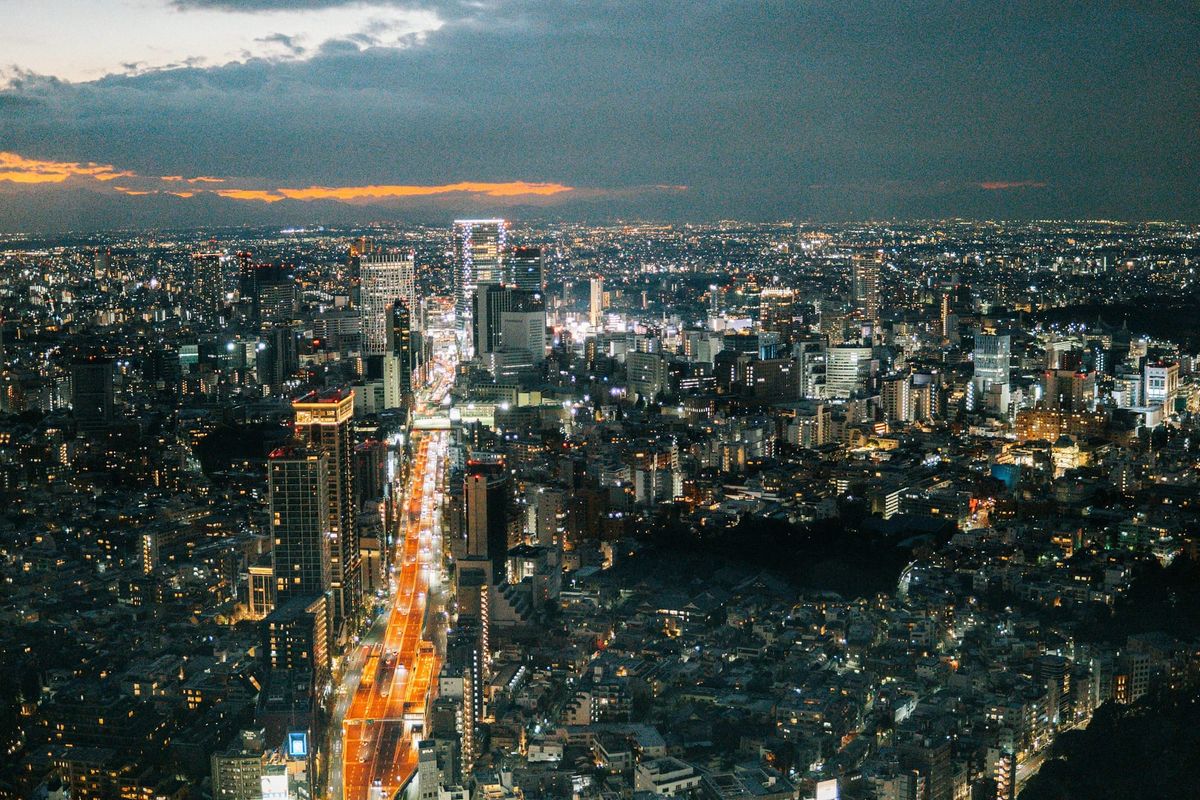
Greater Tokyo’s apartment market is showing clearer signs of strain. September’s resale figures combine fewer completed transactions with more homes competing for buyers. The important change is the persistence of that imbalance, rather than a single dramatic headline.
REINS recorded 3,457 existing-condominium transactions across Tokyo, Kanagawa, Saitama and Chiba, down 22.7% from a year earlier. Sales have now fallen year on year for six months. Available inventory reached 50,450, up 15.1%, while new listings increased 15.4% to 17,721.
The comparison needs care. September 2025 recorded 4,475 transactions, against 3,047 in September 2024. REINS changed its systems in January 2025 to improve completed-sale reporting, limiting comparisons with earlier years. Both September 2025 and 2026 came after that change, however, so it cannot simply explain away this year’s decline.
The slowdown also extends beyond September. Our calculation from the monthly figures puts third-quarter transactions 14.4% below the same period last year, compared with a 2.0% decline in the second quarter. That suggests weakening liquidity, even though September’s raw sales count remains above 2024’s.
Prices require a different distinction. The average completed sale was ¥51.11 million, down 4.5%, while the average price per square metre fell 4.8% to ¥810,700. Those are changes in the homes sold, not a valuation of the same apartment over time. Sold properties were older on average, and a smaller contribution from expensive locations can reduce the regional figure.
Understand the market around Japan.
Follow our coverage of Japan and global mountain destinations, then explore Uchi Insights Premium for detailed property data and market reports on Japan’s resort markets.
Your free article continues below.
The geographical pattern is uneven. Transactions fell 30.6% in Tokyo’s 23 wards and 28.0% in Tama. Sales also declined in the surrounding prefectures, but achieved prices per square metre still rose 3.5% in Kanagawa and 7.2% in Chiba. A weaker market for completing transactions does not mean every area is experiencing the same price adjustment.
There is nevertheless evidence that sellers are becoming more flexible. Tokyo Kantei found that 48.9% of continuing listings in the 23 wards in August had undergone at least one asking-price reduction during the preceding three months. This excludes new listings and measures asking-price changes, not negotiated discounts on completed sales.
That is more informative than treating the gap between REINS asking and achieved averages as a typical discount. Unsold homes asked roughly ¥1.20 million per square metre in September, well above the achieved average, but the two groups contain different properties.
Nor do all price measures yet show a reversal. JREI’s repeat-sales index for Greater Tokyo rose 0.42% in July. Its later publication cannot tell us what happened to comparable properties in September. Higher financing costs and stretched affordability are plausible pressures, but the resale figures do not establish their individual contributions.
For investors, the immediate implication is to scrutinise comparable completed sales and allow more carefully for resale liquidity. These figures strengthen the case for a selective approach to Greater Tokyo. They do not establish falling values across Japan, or provide a basis for marking down properties in Niseko, Hakuba or Furano, where the buyers, supply and rental markets differ.
Sources
- REINS September 2026 Market Watch
- REINS 2026 monthly report archive
- Tokyo Kantei August 2026 price and listing indicators
- JREI July 2026 repeat-sales index released 30 September