Why a Cheaper French Ski Apartment Can Cost More to Own
A lower asking price can conceal renovation bills and shared-building liabilities. France’s holiday-rental energy rules make the full purchase comparison more important.

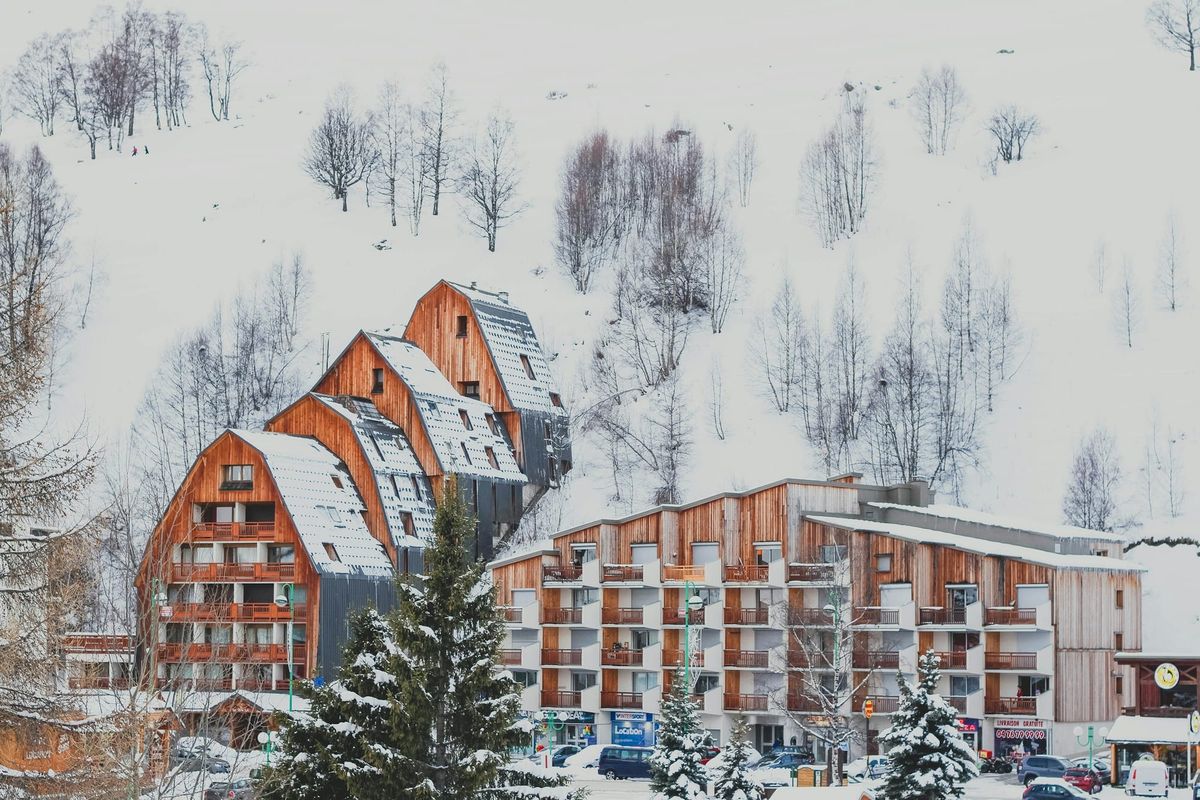
The price difference between two ski apartments can disappear before either earns a winter’s rent. In French resorts, an older home’s apparent affordability needs to be tested against the cost of improving it, its share of communal works and the conditions under which it can remain in the holiday-rental market.
Energy performance is a substantial part of that calculation. In December 2025, property federation FNAIM reported that 28% of homes in the ski-resort communes it studied were classified F or G, the two lowest energy bands. That is a historical snapshot, rather than a current assessment of every property, but it identifies a significant issue for buyers comparing older mountain accommodation.
The rental timetable requires care. France’s government guidance says that, where a change-of-use authorisation is required for a new holiday let in mainland France, the property must currently have an energy rating from A to E. From 1 January 2034, holiday lets that are not the owner’s principal residence must meet an A-to-D standard, including existing operations. The earlier restrictions applying to ordinary residential tenancies should not simply be transferred to every seasonal letting.
For an apartment buyer, compliance may depend on decisions beyond the front door. Roof insulation, external walls and shared heating can involve the building’s co-owners. A useful assessment therefore includes the communal works programme, meeting decisions, available reserves and the buyer’s likely contribution, alongside improvements inside the apartment. A refurbishment quotation cannot resolve uncertainty about an unfunded building-wide project.
Consider an illustrative comparison between an unrenovated apartment priced at €240,000 and a comparable renovated one at €280,000. Assume the cheaper property needs €35,000 of internal work, a €15,000 contribution to communal work and loses €5,000 of operating contribution while unavailable. Its purchase price plus those burdens reaches €295,000, exceeding the alternative by €15,000 before acquisition costs, financing and tax. These are assumptions, not market quotations; the exercise shows how a €40,000 headline saving can be absorbed.
The comparison also needs a realistic destination and operating case. Renovation can improve comfort, energy use and presentation, but higher rent and more booked weeks still require demand. Nor does a better energy rating establish a resale premium in a particular resort. Location, layout, mountain access and the building’s remaining liabilities all influence what a buyer receives.
Atout France’s mountain-renovation programme treats the renewal of existing accommodation as part of maintaining resorts’ commercial attractiveness. That connects individual purchase decisions to the wider ski economy: upgrading usable accommodation can support a destination without relying entirely on new construction.
For buyers, the most useful comparison is the cost of reaching a lettable, competitive condition. A lower asking price becomes persuasive when the works, permissions and delivery timetable are sufficiently clear to explain why the saving should survive.
Go deeper with Premium Analysis, or explore Uchi’s detailed Data Rooms and full research library with All Access.
Sources
- FNAIM — ski-resort housing study, 18 December 2025; historical energy-band figures
- French housing ministry — holiday-rental regulation guide, September 2025, pp. 22–23; current and 2034 energy requirements
- Service Public — ten-year communal works plans, verified 8 June 2026
- Atout France — mountain-resort renovation programme, published 7 August 2026