Owning in Banff Does Not Create a Right to Live There
Banff’s housing rules reserve residence for eligible people supporting the park. Buying a leasehold interest does not create a holiday-home entitlement.

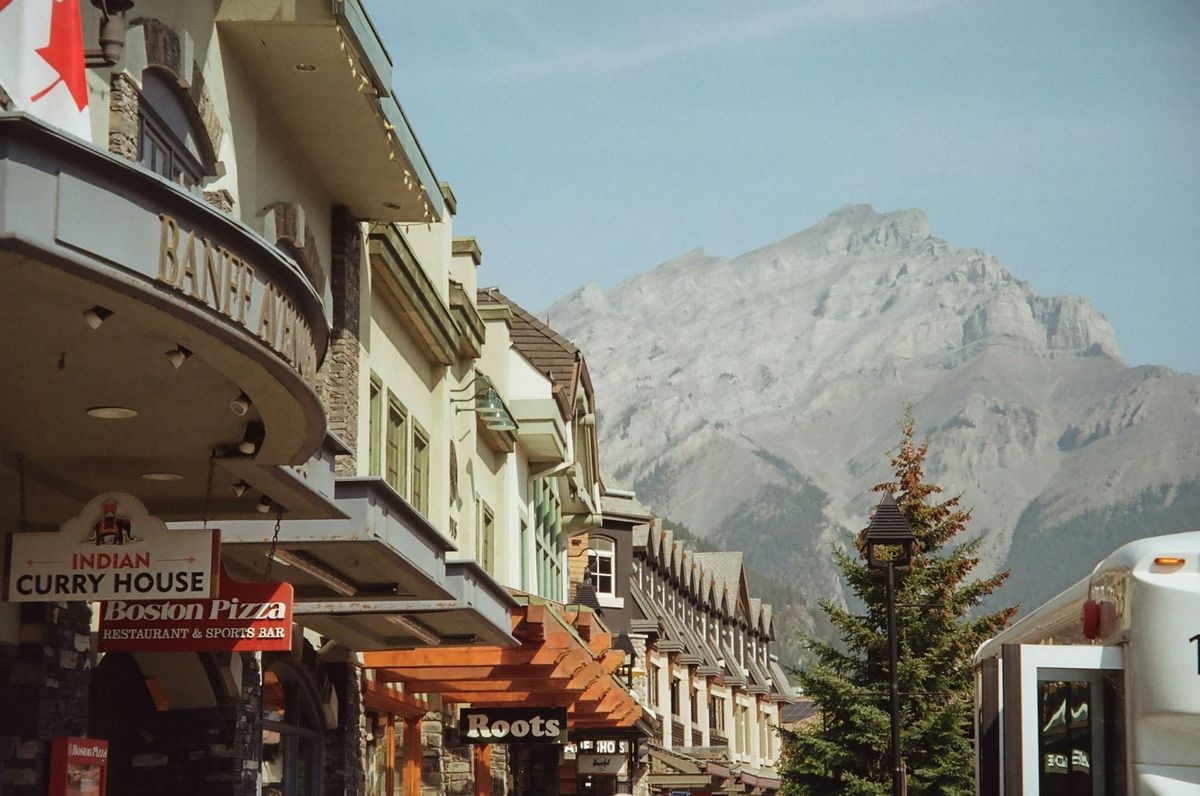
Canada’s Banff National Park is a mountain destination where the right to own a property interest and the right to live in it must be considered separately. Parks Canada’s eligible-residency rules are central to understanding the housing market in Banff and Lake Louise, especially for buyers approaching them as possible second-home locations.
The agency’s current guidance says land in the national park is leased from Parks Canada. Non-residents may own leasehold properties without living there, but ownership does not establish eligibility to reside in the park. The guidance is explicit that leasehold properties cannot be used as secondary or holiday homes.
Eligibility commonly arises from primary employment in the park, or from operating a business there that requires the person’s day-to-day presence. Other defined categories include certain retired residents and qualifying household members. Remote work for an outside business does not automatically create eligibility, and simply holding a business licence is insufficient.
This makes Banff a different proposition from a resort where a purchaser can alternate freely between personal holidays and short-term letting. The distinction is about the permitted use of housing, rather than the attractiveness of the location. A beautiful apartment does not supply a missing residency qualification.
For a prospective landlord, the rules also affect the customer group. Parks Canada says landlords are responsible for ensuring their tenants are eligible residents. The financial model must therefore reflect lawful residential use and the relevant lease conditions, rather than assuming unrestricted access to a holiday-rental market.
The policy has an economic purpose beyond the individual transaction. Reserving housing for people supporting park operations and services connects the residential stock to the workforce that keeps the destination functioning. Accommodation, restaurants, retail and other visitor services depend on people being able to live within reach of their work.
That does not mean every housing problem is solved by residency rules. Affordability, availability, building condition and household needs remain separate questions. It does mean that a property’s role in the destination cannot be understood solely through visitor demand or the purchasing power of would-be second-home owners.
Buyers comparing nearby mountain communities should avoid extending Banff’s rules beyond the park or importing another town’s assumptions into Banff. The relevant jurisdiction and land arrangement belong at the beginning of the search, before comparisons of asking prices or possible personal use.
Parks Canada confirms eligibility during realty transactions using formal declarations or affidavits. That process should be treated as part of defining what is being bought, rather than a formality after an offer has been shaped around an incompatible plan. Banff remains an important resort-property market, but its housing serves a specific purpose. The useful first question is whether the intended occupation fits that purpose.
Follow the mountains beyond the snowfall. Unlock the Premium Analysis archive, with new premium articles delivered straight to your inbox.
Join for US$80 a year–roughly a coffee a month to keep yourself informed.