Austria’s Joint Rail Procurement Could Strengthen Mountain Access
Austria’s three-region rail procurement brings mountain access and year-round mobility together. Funding commitments still need to become delivered trains and useful services.

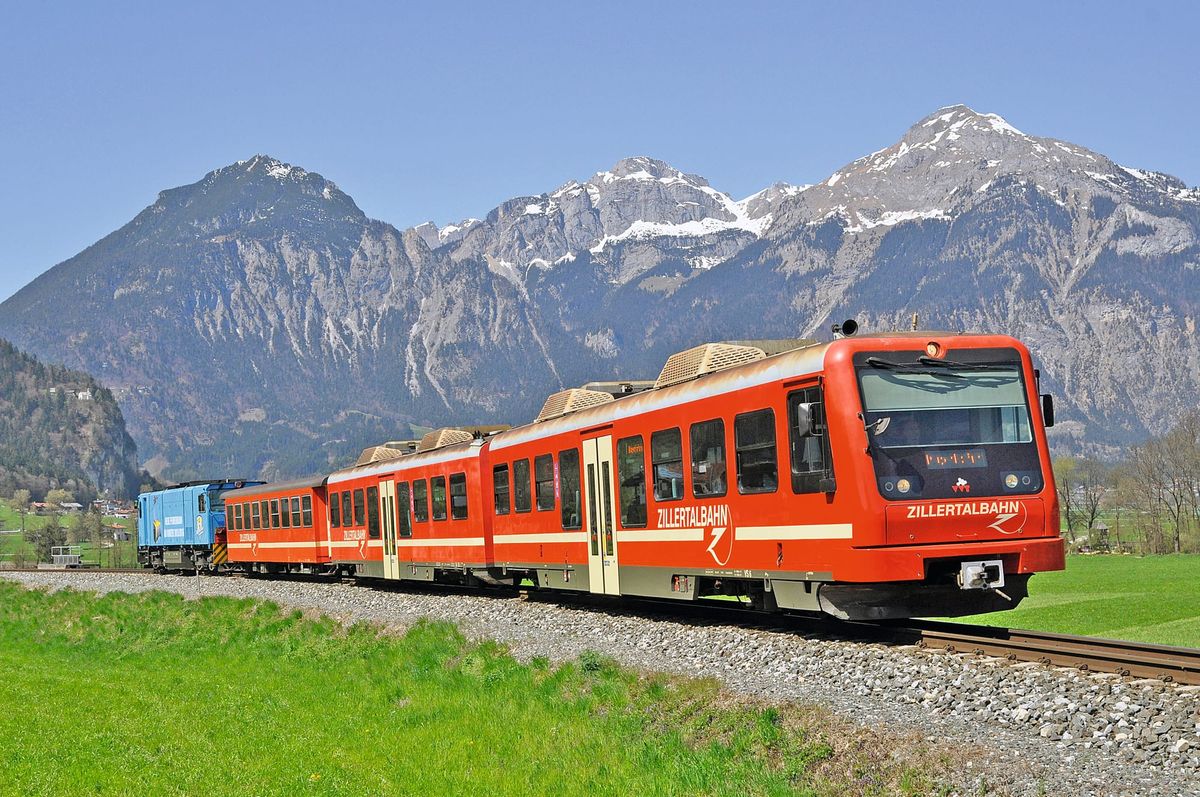
Three Austrian regional railways are preparing to modernise through a shared procurement, offering a reminder that mountain access depends on decisions made well outside the lift station. The Zillertalbahn, Pinzgauer Lokalbahn and Murtalbahn serve destinations where everyday travel and tourism use the same transport network. Their plans connect resort development with the reliability and cost of regional infrastructure.
Austria’s mobility ministry announced on 18 September that Tyrol, Salzburg and Styria had agreed to procure new narrow-gauge trains together as the lines move away from diesel operation towards electric or battery-hybrid systems. The ministry expects a larger combined order to improve purchasing and maintenance economics. Those savings remain an intended result of procurement rather than a measured outcome from delivered trains.
The funding context also needs careful reading. The announcement says the national private-railway investment programme will gain an additional €25 million annually from 2027, bringing its overall budget to about €114 million. Those figures describe the wider programme; they are not the price of one resort railway. Federal support also includes a contribution towards the new vehicles, with the detailed procurement still to progress.
For tourism businesses, the most useful part of the proposal is the prospect of a dependable shared transport backbone. Employees, residents and visitors can all benefit from a service that works through the year. That can widen the practical area from which a resort recruits staff or attracts guests, provided the timetable, connections and final leg of the journey are suitable.
The ministry’s release cites 2030 as the intended start for the new Zillertal vehicles. It would be premature to market the planned fleet as part of an imminent winter holiday. Property appraisals need the same discipline: future transport improvements can inform a longer-term view, while today’s access and actual operating costs still determine the current business case.
Understand the market around the mountain.
Follow our coverage of Japan and global mountain destinations, then explore Uchi Insights Premium for detailed property data and market reports on Japan’s resort markets.
Your free article continues below.
Joint purchasing is especially relevant where a small fleet has limited buying power. Shared specifications and maintenance arrangements may reduce complexity, but they also require agreement between operators whose routes and service needs differ. The eventual contract, vehicle design and delivery programme will show how effectively those differences have been accommodated.
A hotel assessing the opportunity should follow the full connection from a mainline station to the property. Luggage, transfer times and the availability of onward buses can matter more to a guest than the train’s propulsion system. The Austrian announcement is therefore best read as a financing and procurement milestone in a longer access programme. Its resort value will emerge through the service that is ultimately offered, the journeys it makes easier and the businesses able to use those connections throughout the year.