Arosa Commits CHF67.1m to Rebuild a Critical Mountain Link
Arosa has begun a CHF67.1m replacement of two ageing lifts with snowmaking and terrain work. The project shows the reinvestment burden behind mature resorts.

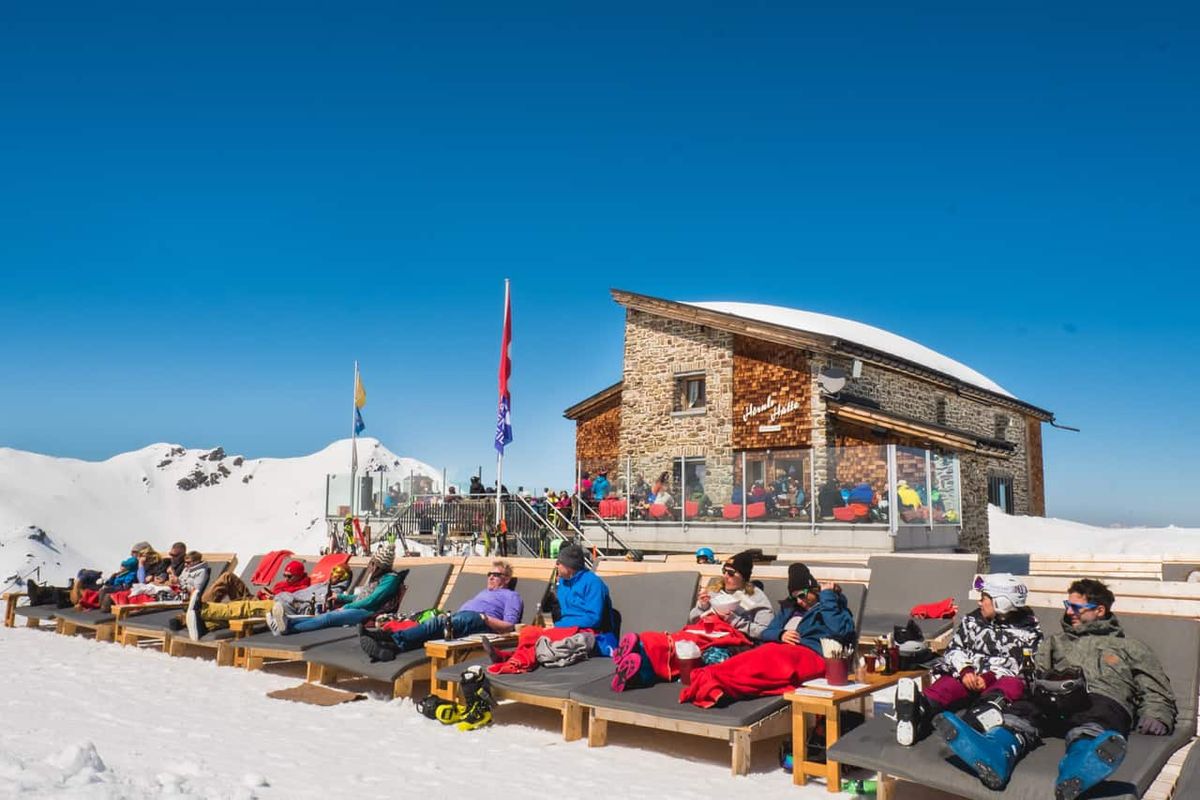
Switzerland's Arosa Bergbahnen has started a CHF67.1 million project to replace two ageing installations in the Hörnli area. The programme combines a ten-person gondola, an eight-seat chairlift, terrain work and expanded snowmaking. The company calls it the largest single investment in its history, giving the project significance beyond a normal lift replacement.
The existing Hörnli Express and chairlift have operated for more than 40 years. Replacing them is partly renewal: an established destination must maintain safety, capacity and reliability as infrastructure ages. Yet the scale also signals a strategic choice to reinforce a key part of the Arosa Lenzerheide network rather than defer expenditure or make a minimal like-for-like replacement.
For accommodation and property businesses, a critical connection can matter through journey time, circulation and confidence in the destination’s long-term upkeep. It does not follow that CHF67.1 million of mountain spending creates an equivalent increase in hotel revenue or property value. The benefit will depend on delivery, operating reliability and how guests use the wider network.
Snowmaking is included alongside transport capacity, which shows how climate adaptation and lift renewal increasingly arrive in one capital package. Technical snow can support route availability, but it requires suitable temperatures, water, energy and permissions. The project should therefore be assessed on resilience and resource use as well as nominal capacity.
Arosa provides a useful benchmark for other mature resorts: large sums may be required simply to renew the systems on which the destination already depends. The evidence to watch is construction sequencing, downtime, final cost and performance after opening. For investors, the main conclusion is not that new infrastructure guarantees growth; it is that long-life mountain assets carry periodic reinvestment obligations that must be recognised in any durable resort economy.
The project’s financing and depreciation will matter long after construction. A lift can serve for decades, but the operator must recover capital while maintaining prices that sustain demand and funding routine work elsewhere. Public reporting on debt, subsidies and cash flow would help distinguish the regional development rationale from the company’s financial burden.
There is also a network effect. Hörnli’s value depends partly on how it connects Arosa with the wider linked destination, so local lift use may understate its importance. Conversely, a stronger connection can shift where guests start, eat and stay. Businesses should expect benefits to vary by location rather than assuming an even destination-wide uplift.
Go deeper with Premium Analysis, or explore Uchi’s detailed Data Rooms and full research library with All Access.