When a Ski Resort Cannot Pay Its Way, Who Keeps It Alive?
Alpe du Grand Serre’s 30-year operating agreement raises a wider question: who funds a ski area when the village needs it more than the lift accounts justify? We examine group management, public support and the proposed move towards higher terrain.

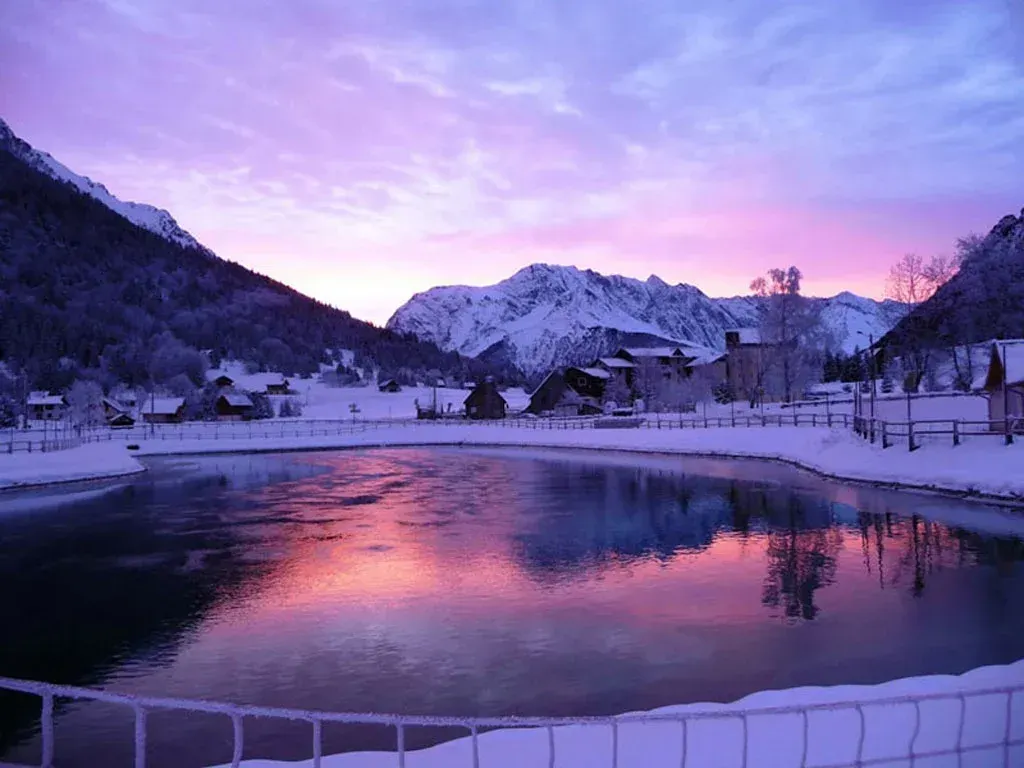
A ski lift can lose money while the village beneath it depends on keeping it running. That uncomfortable relationship sits at the centre of Alpe du Grand Serre’s latest attempt to secure its future, and helps explain why the fate of a relatively small French resort matters well beyond its own pistes.
On 30 September, the municipality of La Morte signed a 30-year operating concession with SATA Group for Alpe du Grand Serre, near Grenoble. SATA already operates Alpe d’Huez, Les Deux Alpes and La Grave. It also ran Alpe du Grand Serre during 2025/26, so the development is a longer commitment by an existing operator, rather than a first arrival or a purchase of the resort. [1, 2, 3]
The agreement gives local businesses a longer planning horizon after repeated closure threats. What it cannot establish on its own is whether the resort can earn enough to sustain its infrastructure—or how much public support will be needed to bridge any remaining gap.