Myoko’s luxury reset enters the hard part
The possible delay to Six Senses Myoko is modest, but it says something larger about Japan’s emerging resort markets.

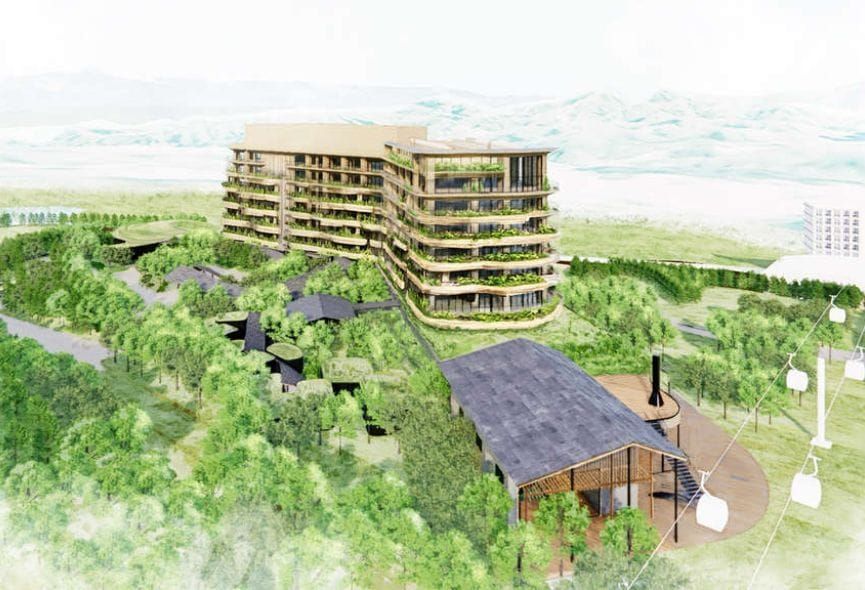
The news that Six Senses Myoko may open slightly later than planned is not, in itself, especially dramatic. A shift from December 2028 to somewhere between January and March 2029 would be modest for a project of this scale. Large developments move, ground conditions surprise people, designs change and construction schedules adjust.
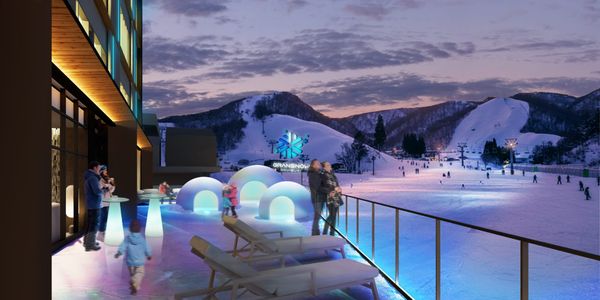
But it is still worth paying attention to, because Six Senses Myoko is not just another hotel announcement. It is one of the most symbolic resort projects currently planned in Japan’s snow country: a global luxury brand, a major foreign-backed development, branded residences, and a deep-snow location that many investors already see as one of Japan’s next serious mountain markets.
According to local media, Patience Capital Group has told a public-private council that preparatory works found ground uplift at part of the site, requiring some design changes. Main construction, which had been expected to start in August, may now begin in October. PCG is still aiming to open within Japan’s 2028 fiscal year, which runs until the end of March 2029.
That sounds like a fairly normal development adjustment, and perhaps that is all it will prove to be. But it is also a useful reminder that resort development in Japan’s mountain regions is not straightforward. Heavy snow shortens the construction season. Rural infrastructure can be limited. Labour and contractor capacity are not endless. Design has to work with snow load, drainage, landform, access and long-term operations, not just with a glossy brand vision.
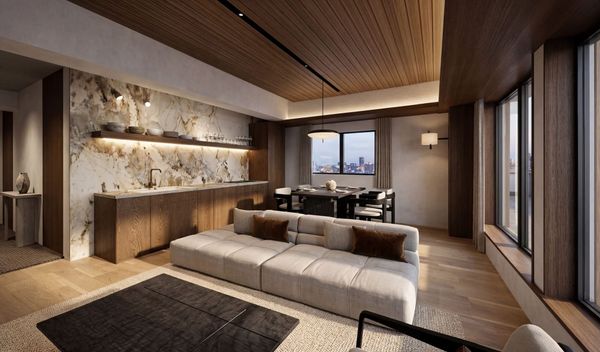
That is why this update feels like a marker. Over the past few years, much of the Myoko story has been about potential: deep snow, onsens, relative affordability, international interest and the idea that the area could follow Niseko and Hakuba into a more global phase. Six Senses gives that story real weight. The project is expected to include 57 hotel rooms and suites, many with private onsens, together with 21 branded residences above the hotel. For overseas buyers, that combination of hospitality, management and global brand recognition changes the conversation.
The challenge now is delivery. Myoko does not need to become another Niseko, and probably should not try to. Its appeal is partly that it still feels different: quieter, more local, less polished and more rooted in its landscape. The opportunity is to bring in higher-quality accommodation, stronger year-round demand and more international visibility without flattening the character that made the area interesting in the first place.
Seen that way, the possible delay is not bad news so much as a sign that Myoko’s next phase is becoming real. The story is moving from investor interest and brand announcements into the harder work of building, operating and integrating large-scale resort projects into a living mountain town.
For Japan’s resort market, that is the part that matters. Confidence is one thing. Execution is another.