Alila’s Hakone Debut Adds To Japan’s Luxury Resort Momentum
Hyatt’s Alila brand is set to make its Japan debut in Hakone, adding another signal that global luxury hospitality groups continue to see long-term value in Japan’s established resort destinations.

Hakone’s luxury hospitality story is becoming harder to ignore.
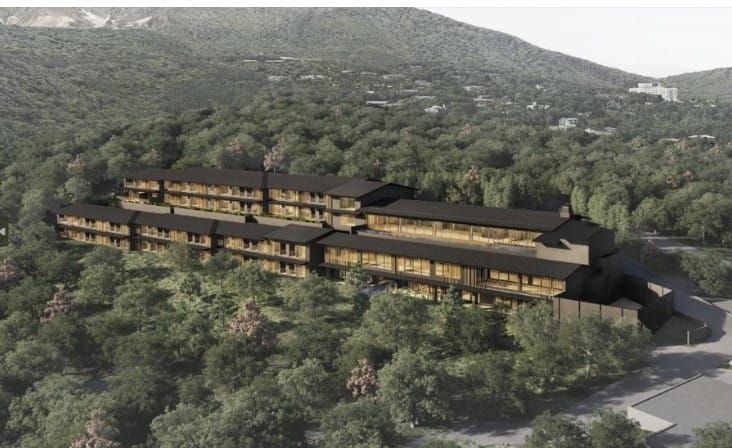
Fujita has started development of Alila Sengokuhara Hakone, a new 60-room luxury hotel that will bring Hyatt’s Alila brand to Japan for the first time. The hotel is planned for Sengokuhara, one of Hakone’s best-known highland areas, with opening scheduled for 2028. On its own, this is a notable hotel announcement. Seen alongside other recent luxury hospitality plans in Hakone, it also looks like part of a broader pattern: international brands are becoming increasingly comfortable placing high-end product in Japan’s established, year-round resort markets.
That matters because Hakone occupies a very different position from Japan’s ski destinations. It is not a powder-driven market like Niseko or Hakuba, and it does not depend on one concentrated winter season. Its strength is accessibility, heritage, onsen culture, scenery and year-round domestic and international appeal. For Tokyo-based residents and inbound travellers alike, Hakone remains one of Japan’s most familiar short-stay resort destinations. That gives it a kind of demand depth that global hotel groups can understand.
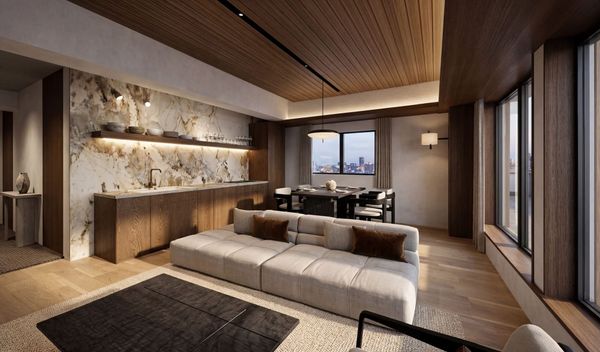
The Alila project is being planned on a 19,365 sqm site, around 25 minutes by car from Hakone-Yumoto Station. The building will have two floors above ground and two basement levels, with a total floor area of 10,283 sqm. Facilities are expected to include onsen and spa space, restaurant and bar functions, and meeting and event areas. Design also appears to be a major part of the positioning, with Kengo Kuma & Associates supervising architectural design, SIMPLICITY handling interiors, and Place Media involved in landscape design.
For investors watching Japan’s resort and lifestyle property markets, the significance is not simply the arrival of another luxury hotel. It is the type of destination being chosen. Hakone already has strong brand recognition, established infrastructure and a long history of high-value tourism. It does not need to be “discovered” in the way some emerging resort markets do. Instead, the opportunity appears to be in upgrading product quality, deepening the luxury segment and giving higher-spending guests more reason to stay, return and spend locally.
That is why the Alila announcement also fits with the recent plan for an LXR hotel in Gora. Different projects, different operators, but a similar underlying message: Hakone is attracting serious hospitality capital at the upper end of the market. This does not automatically make every surrounding property more valuable, and it should not be read as a simple “luxury hotel equals rising prices” story. But high-end hospitality investment can help reposition a destination over time, particularly when it improves accommodation quality, reinforces international visibility and supports a broader shift in guest expectations.
The wider point is that Japan’s resort momentum is no longer limited to ski markets. Niseko, Hakuba and Furano remain important, but destinations such as Hakone, Karuizawa and Okinawa are also becoming part of the luxury hospitality conversation. These are markets where access, lifestyle, natural setting and year-round appeal can matter as much as snow.
Hakone’s challenge will be to absorb that growth without losing the qualities that make it attractive in the first place. But from an investment perspective, the direction is clear enough. Global hospitality brands are not only looking at Japan’s biggest cities or its most famous ski resorts. They are also looking at established lifestyle destinations with durable demand, recognisable identity and room for higher-quality product. Alila’s Hakone debut is another sign that this part of the market is still moving.